 Tower Lifts
 Tower Lifts
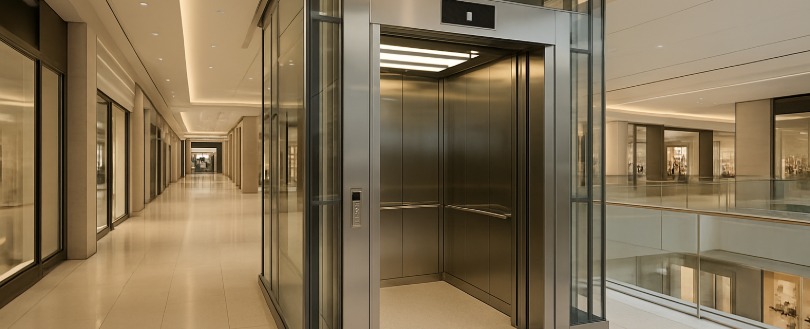
How Energy-Efficient Are Modern Lift Systems?
Is Your Building’s Vertical Transport Eating Into Your Energy Budget?
Managing a retail centre or hotel can feel like a balancing act between guest/user comfort and operational efficiency. While you’re busy scrutinising HVAC and lighting costs, your lift systems could be the silent energy drain you simply haven’t accounted for. Which begs the question: how energy efficient are modern lift systems?
Older traction or hydraulic systems consume power even when idle. By contrast, modern lift technology has turned vertical transport into efficiency asset, offering smart standby modes that actively protect your energy budget.
At Tower Lifts, we know that replacing or modernising a lift is a significant decision. With over a decade of experience designing bespoke lift solutions across the UK, we regularly help facility managers navigate these upgrades. We don’t just install the hardware, though – we engineer systems that match your building’s usage patterns and financial goals.
What Does “Energy Efficient” Look Like?
When we talk about upgrading your vertical transport, one of our aims is to lower your energy consumption. We do this with proven features that are now the industry standard. Here is a breakdown of what efficiency looks like in a modern Tower Lifts installation:
- Regenerative Braking – When the lift brakes, it generates power. Modern drives feed this clean energy back into your building, reducing the total draw from the National Grid.
- LED Illumination – Switching from halogen to LED cabin lighting reduces heat and energy usage instantly. Plus, they last up to 10 times longer, reducing your maintenance callouts.
- Destination Control Systems (DCS) – Grouping together passengers who are going to the same floor, the lift reduces the stops the lift makes. Fewer stops mean less energy used to start and stop the motor.

For many of our commercial clients, these three elements combined can reduce lift energy consumption by 30–50% compared to legacy hydraulic systems.
Earning Your Green Credentials (BREEAM & Part L)
When we work with facility managers, what we get asked most regularly is: “How does this help my building’s rating?” So, here is how a modern Tower Lifts installation supports your compliance targets:
- BREEAM Credits (Ene 08) – BREEAM assesses the energy consumption of transport systems. Installing a lift with regenerative drives and intelligent standby modes directly contributes to earning these valuable credits, pushing your building toward an “Excellent” rating.
- Part L Compliance – The UK’s Building Regulations (Part L) focus on the conservation of fuel and power. By installing metering displays that show how much energy your lift is using (and saving), we can ensure you meet the requirement for energy monitoring and reporting.
We don’t just install the lift – we provide the data and documentation you need to tick those boxes during your next audit.
Frequently Asked Questions About Energy-Efficient Lift Upgrades
Making the switch to a more efficient lift system involves more than just swapping a motor. Here are the answers to some of the most frequent questions we get from facility managers regarding costs, logistics, and the practicalities of upgrading.
In many cases, we can carry out a lift modernisation rather than a full replacement. This retains heavy structural elements like guide rails and counterweights and upgrades the control system, motor and drives. This approach is cheaper than a full rip-out and reduces waste and installation time.
Every building is different, based on traffic volume, but most of our commercial clients see a return on their energy-efficiency investment within 3 to 5 years. When you take into account the government’s “Full Expensing” capital allowance and reduced maintenance costs (due to less wear on components), the financial breakeven point could be reached even sooner.
More often it costs less. Modern energy-efficient lifts use fewer moving parts (especially Machine Room-Less systems) and generate less heat. This places less stress on the mechanical components and reduces the frequency of emergency callouts.
Turn Your Lifts into an Asset
Upgrading your lift system means turning it into an asset that contributes to your building’s efficiency goals. Whether you need BREEAM credits or you’re simply trying to lower the monthly overheads the technology now exists to make vertical transport cleaner, quieter, and significantly cheaper to run.
Why Trust Tower Lifts?
We believe in high standards as standard. That is why our commitment to safety and quality is backed by external verification. We hold ISO 9001:2015 for quality management and ISO 45001 for occupational health and safety. Additionally, as members of the Lift and Escalator Industry Association (LEIA) and holders of the UKAS LiftCert, we actively adhere to industry best practices.
Contact the Tower Lifts team today for a Bespoke Lift Assessment. We’ll review your current setup and provide a no-obligation outline of how modernisation could reduce your running costs and your carbon footprint – 01525 601099
Tower Lifts London lift team can design and install a varied range of lifts throughout the UK including:
Domestic Lifts • Food Lifts • Bespoke Platform Lifts • Service Lifts • Platform Lifts • Goods Lifts • Scenic Lifts • Heavy Duty / Car Lifts • Passenger Lifts • Dumbwaiter Lifts • MRL Lifts • Fire lifts • Residential Lifts • low-Headroom Lifts