 Tower Lifts
 Tower Lifts
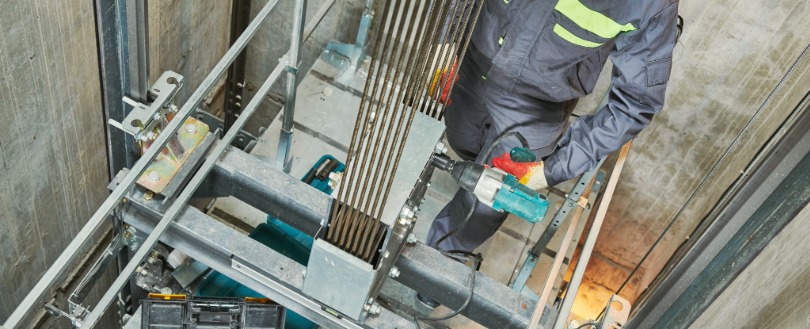
The Lift Removal Process
The Lift Removal Process
Lift Removal – A Guide to Reclaiming Building Potential
Whether you are repurposing a heritage building or modernising a commercial office block, removing an obsolete lift is a high stakes procedure that’s about more than just mechanical dismantling. The lift removal process involves a knowledge of CDM regulations, the maintenance of structural integrity, and managing hazardous waste disposal.
For building owners and developers, the risks of a poorly managed removal – whether it’s from project delays or safety breaches – are high. A successful removal needs a service provider with the technical skill and experience to handle complex decommissioning safely and efficiently.
Tower Lifts has spent over a decade working with property professionals in London and across the UK. Our team specialises in lift removal and replacement, ensuring, at every stage, your project stays on track and compliant.
When is Lift Removal the Right Move?
Safety is the cornerstone of property management. When a lift stops being an asset and becomes a liability, its controlled removal is the responsible course of action.
- Safety Critical Faults – If structural corrosion or gear failure is detected lift removal services ensure the hazard is professionally neutralised before it leads to an accident.
- Redundant Shafts – Often, buildings have “ghost” lifts that have been out of use for years. Professional removal eradicates potential fire risks and structural concerns associated with abandoned machinery.
- Technological Gap – If your current lift cannot be integrated into modern building management systems (BMS), removal allows for a smart-enabled replacement.
The Alternatives:
- Heavy Duty Maintenance – A specialist maintenance service can sometimes ‘rescue’ a failing lift, provided the safety components are still within their certified lifespan.
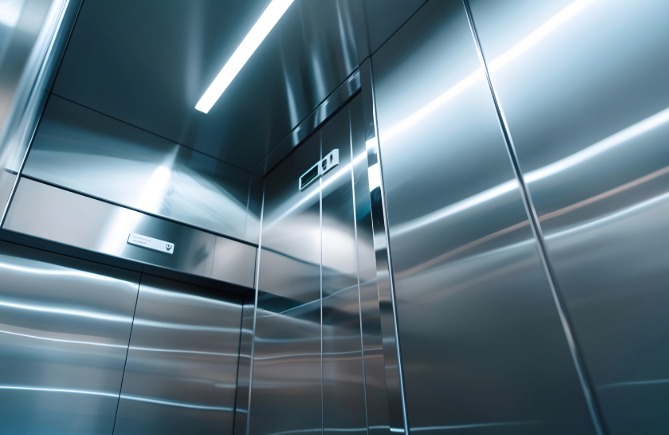
- Cosmetic Overhaul – If the mechanics are good but the ‘look’ no longer matches the interior styling of the building, a cabin interior refresh can solve the problem without the need for decommissioning.
The Lift Removal Process – A Step-By-Step Guide
The successful removal of a defunct lift is dependent in large part on transparency. You need to know exactly what is happening in your building and why. That’s why we follow a clear process that prioritises the safety of the people access the building and the integrity of your property.
The Process:
- Preparation & Permitting – We handle the all the ‘red-tape’ for you, ensuring all necessary permits and safety declarations are in place before we arrive on-site.
- Hoarding & Dust Suppression – We use advanced hoarding and suppression techniques to keep your building’s common areas free from dust and debris.
- System Decommissioning – This involves the isolation of all electrical power and mechanical energy. This process renders the lift permanently ‘out of service’ and safe for dismantling, preventing any accidental activation during the removal.
- Mechanical Strip-Down – Tower Lifts engineers dismantle the lift car and counterweight systems using high-capacity winches and safety-rated rigging.
- Shaft Stripping – We remove the guide rails and cabling, carefully checking the shaft walls for any structural concerns that may impact a future installation.
- Responsible Disposal – All removed components, such as hazardous hydraulic fluids, heavy metals, and electronics, are safely transported from your site. We ensure everything is disposed of at licensed facilities, following a strict protocol that prioritises recycling and environmental compliance.
- Final Certification – We provide you with a completion pack, documenting that the removal was conducted in accordance with all current UK safety standards.
Your Lift Removal Questions Answered
The Tower Lifts team has been removing lifts in diverse circumstances over more than a decade. Here are some of the question that crop up regularly, whatever the circumstances.
For a typical low-to-mid-rise building, the removal process depends on the size, type and number of stops but generally 1 day per stop plus a day.
No in most cases. Internal lift removal is considered “permitted development” as it doesn’t usually alter the building’s exterior. If your property is a Grade I or II Listed Building, though, or if the removal involves structural alterations to the floors or walls, you’ll need to obtain Listed Building Consent or consult your local planning authority to avoid legal complications.
Hoardings can be provided and fitted to the entrances to make the door openings safe whilst the new lift is waiting to be installed or the openings can be boarded up if no new lift is being installed.
Yes. We often remove lifts in ‘live’ environments. By installing fire-rated hoarding and using advanced dust suppression, we can isolate the working area entirely. We also schedule the most disruptive mechanical dismantling during off-peak hours to ensure occupants experience only minimal noise and no safety risk.
As the building owner or developer (the ‘Client’), you are legally responsible for appointing a competent contractor and ensuring a ‘Construction Phase Plan’ is in place. Tower Lifts acts as your technical lead here, providing the necessary RAMS (Risk Assessments and Method Statements) and ensuring all hazardous waste, such as hydraulic oil and old control boards, is disposed of with full environmental traceability.
Why Developers Trust Tower Lifts for Complex Removals
When you choose Tower Lifts, you are guaranteed more than a decade of specialised experience backed by the industry’s certifications. Our commitment to quality is ingrained in our ISO 9001:2015 certified operations, delivering a predictable and high-standard service every time. On-site, we lead with safety, managing every risk through our ISO 45001 compliant protocols. With our LEIA membership and Constructionline Gold status, you can rest assured that your lift removal is being handled by the right team.
Be certain that your lift removal is safe, compliant, and on schedule. Book a site survey with Tower Lifts and let our engineers handle the heavy lifting – 01525 601099
Tower Lifts London lift team can design and install a varied range of lifts throughout the UK including:
Domestic Lifts • Food Lifts • Bespoke Platform Lifts • Service Lifts • Platform Lifts • Goods Lifts • Scenic Lifts • Heavy Duty / Car Lifts • Passenger Lifts • Dumbwaiter Lifts • MRL Lifts • Fire lifts • Residential Lifts • low-Headroom Lifts